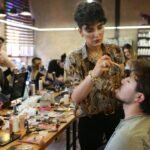
Becoming a certified makeup artist in the USA combines passion, training, and strategic steps. In 2026, “certified” typically means completing a professional program and earning a diploma/certificate from an accredited school—not a national “makeup artist license,” as no federal one exists. Licensing is state-regulated and often requires a cosmetology or esthetician license for salon/spa work or certain services.
Many makeup artists work freelance (e.g., bridal, events, film/TV, editorial) without a full cosmetology license, especially in deregulated states. However, formal certification boosts credibility, builds skills, and opens doors to unions (e.g., IATSE for film) or high-end clients.
Key Facts in 2026
- No national makeup artist license — Regulations are state-by-state.
- Certification = Voluntary diploma from a makeup school (proves training).
- Licensing = Mandatory in many states for salon work or skin-related services (via cosmetology/esthetics license).
- Trend — Deregulation continues (e.g., Florida exempts pure makeup application); focus on freelance/online opportunities.
- Time & Cost — 3–12 months for certification; $1,000–$15,000+ depending on program.
Step-by-Step Guide to Becoming Certified
- Research State Requirements (First & Most Important)
Check your state’s cosmetology board (via state website or BeautySchoolsDirectory.com).
- States with no license for pure makeup (e.g., freelance, retail, film): Florida, Texas, many others exempt basic application.
- States requiring esthetician/cosmetology license (for salons/spas): California (esthetics 600 hours), New York (cosmetology 1,000+ hours), Illinois (750 hours esthetics), etc.
- Dedicated makeup licenses — Rare (e.g., Louisiana/Nevada in past; confirm current).
- Use tools like state boards or NACCAS-accredited schools for updates. If freelancing/mobile, certification often suffices.
- Choose & Enroll in a Makeup Artistry Program
Select accredited/online/in-person programs for certification. Focus on comprehensive ones covering beauty, bridal, airbrush, SFX, and business.
Top 2026 recommendations:
- Online Makeup Academy (OMA) — #1 flexible hybrid/online; accredited, global recognition.
- Make-up Designory (MUD) — Prestigious (Los Angeles campus); 800+ hours for film/fashion.
- QC Makeup Academy — Online, pro kit included; strong for beginners.
- Vizio Makeup Academy — Online, Hollywood-focused; high success rate.
- Paul Mitchell Schools — In-person; includes business skills.
- Others: Cinema Makeup School (SFX), Industry Makeup Academy (Atlanta), New York Makeup Academy.
- Duration: 100–800+ hours; cost $1,000–$25,000. Look for NACCAS accreditation.
- Complete Training & Earn Certification
- Hands-on: Application techniques, skin tones, sanitation, color theory, portfolio building.
- Graduate with diploma/certificate (e.g., Professional Makeup Artist Certification).
- Build portfolio: Before/after photos, diverse looks (essential for clients).
- Get Licensed (If Required by Your State)
- Enroll in state-approved cosmetology (1,200–2,000 hours) or esthetics (600–1,000 hours) program if needed.
- Pass state exams (written/practical on theory, safety, procedures).
- Apply for license (fees $50–$300; renew every 1–2 years with CEUs in some states).
- Cosmetology Licensure Compact (2026): 10+ states allow multistate practice—check eligibility.
- Build Your Career & Portfolio
- Create Instagram/TikTok portfolio (before/after, reels).
- Network: Assist pros, join unions (IATSE for film), attend events.
- Get insurance (liability $200–$600/year).
- Start freelancing/mobile; offer trials for reviews.
- Optional certifications: CMA (Makeup Artists Association) or PMAC for extra credibility.
Startup Costs & Timeline (2026 Estimates)
- Certification program: $1,000–$10,000 (online cheaper).
- Kit/supplies: $1,000–$5,000.
- Licensing (if needed): $500–$3,000 + hours.
- Total startup: $3,000–$20,000.
- Timeline: 3–12 months for certification; 6–24 months for full licensing if required.
Tips for Success in 2026
- Start online/flexible if freelancing (OMA/QC popular).
- Focus on niches: Bridal, SFX, clean beauty.
- Build business skills: Pricing, contracts, marketing.
- Stay updated: Trends favor inclusive, clean formulas.
- Free resources: YouTube, practice on friends/family.
The bottom line: Certification from a reputable program (e.g., OMA or MUD) is key for credibility—pair it with state licensing only if required for your work style. Many thrive freelance without full cosmetology hours. Research your state board today, enroll in a program, and start building that portfolio—your makeup career awaits! If you’re in a specific state or niche (e.g., film), let me know for more tailored advice. Good luck! 💄